Concrete Repair & Replacement
Cracked, settled, or damaged concrete does not have to stay that way. We fix concrete problems or replace worn surfaces to restore function and appearance.
Common Concrete Problems
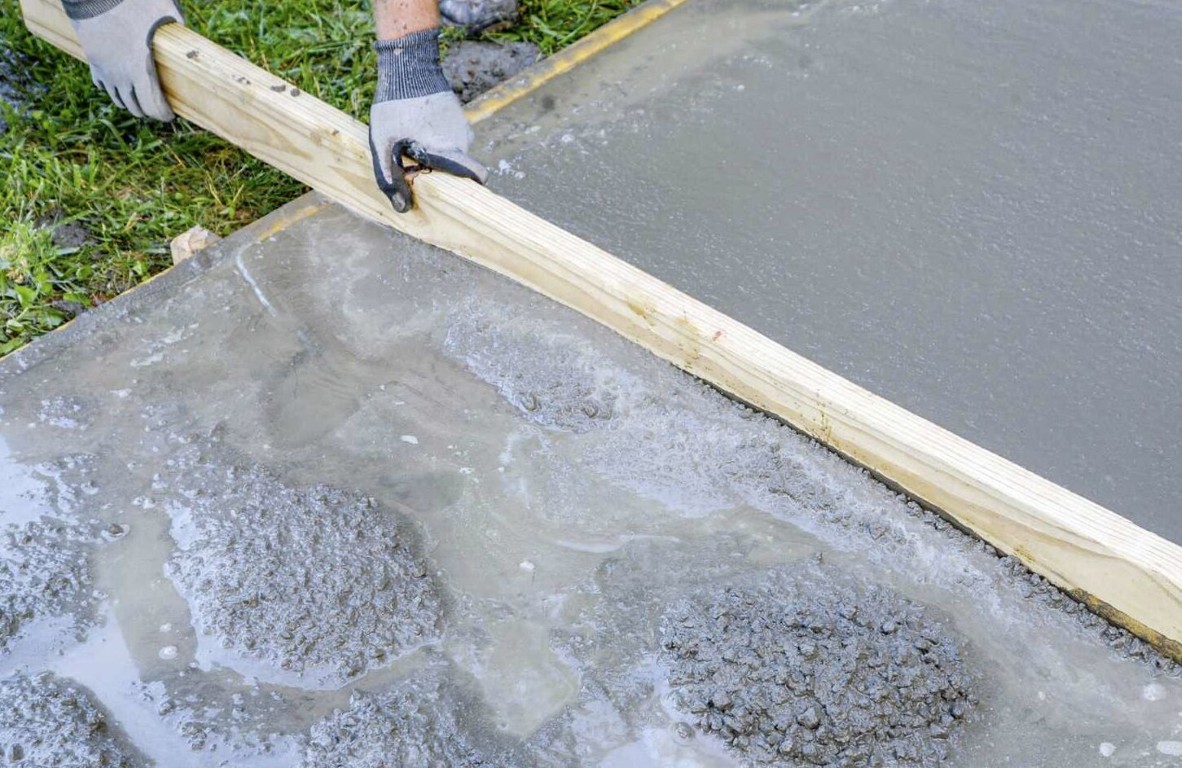
Concrete is incredibly durable, but it is not indestructible. Over time, even quality concrete can develop issues. Understanding what causes concrete problems helps you decide whether repair or replacement makes more sense for your Wilkes-Barre property.
Cracks are the most common concrete issue. Small hairline cracks often result from normal curing and shrinkage. These are usually cosmetic and do not affect structural integrity. Larger cracks can indicate settling, inadequate reinforcement, or freeze-thaw damage. Cracks that grow or cause sections to shift require attention.
Typical Concrete Issues We Address:
- •Cracks from settling, freeze-thaw cycles, or structural movement
- •Spalling where the surface flakes, chips, or breaks apart
- •Sunken or settled sections creating trip hazards
- •Pitting and surface deterioration from salt and weather
- •Broken edges and corners on steps or slabs
- •Drainage problems causing water pooling
- •Discoloration and staining from rust, oil, or chemicals
Spalling happens when the concrete surface breaks away in layers. This often results from water getting into the concrete and freezing. Here in Pennsylvania, freeze-thaw damage is common. Deicing salts accelerate the problem. Spalling looks bad and gets worse over time if not addressed. Settlement occurs when the soil under concrete shifts or compresses, causing sections to sink.
Repair vs. Replacement: Making the Right Choice
Not every concrete problem requires complete replacement. Sometimes repair is more practical and cost-effective. Other times, replacement makes more sense. We help you make the right decision based on the extent of damage, age of the concrete, and your budget.
Minor cracks can often be filled with concrete crack filler or epoxy. This prevents water infiltration and stops cracks from growing. Small areas of spalling can be patched with concrete repair compounds. These repairs work well for isolated damage on otherwise sound concrete. The cost is reasonable and the work goes quickly.
Resurfacing is a middle ground option. We apply a thin overlay of new concrete over existing surfaces. This covers minor damage and gives you a fresh surface. Resurfacing works when the underlying concrete is structurally sound but cosmetically worn. It costs less than full replacement while providing a like-new appearance.
Replacement becomes necessary when damage is extensive, concrete is badly deteriorated, or structural problems exist. If your driveway has multiple large cracks, significant settlement, or the surface is crumbling, replacement delivers better long-term value than trying to patch everything. New concrete will last another 30 years or more.
We honestly assess your concrete and explain your options. Sometimes repair buys you several more years. Other times, investing in replacement saves you from throwing good money after bad. We want you to make the choice that makes the most sense for your situation.
Our Repair Process
Professional concrete repair requires the right materials and techniques. We start by thoroughly cleaning the damaged area and removing any loose material. The surface must be sound and clean for repairs to bond properly.
For crack repairs, we widen and clean the crack, then fill it with appropriate materials. Narrow cracks get epoxy or polyurethane injection. Wider cracks are filled with concrete patching compound. We may install dowels or staples across cracks that show movement to prevent them from reopening.
Spalled areas are cut back to solid concrete using specialized tools. We create clean edges that allow the patch material to bond well. Bonding agents are applied to help new concrete adhere to old. Then we fill the area with repair mortar or concrete and finish it to match the surrounding surface.
For settled concrete, we sometimes use slabjacking or mudjacking. This involves pumping material under the slab to lift it back to the proper level. It works well for driveways, sidewalks, and patios that have sunk but are otherwise in good condition. The alternative is removing and replacing the settled section.
Quality repairs blend in with existing concrete and last for years. We match colors and textures as closely as possible. While repairs may be slightly visible up close, they should not be obvious from normal viewing distances. The goal is restoring function and appearance without the cost of complete replacement.
The Replacement Process
When replacement is the best option, we remove the damaged concrete and install new concrete properly. The process is similar to new installation but with the added step of demolition and removal.
We break up and remove the old concrete, taking care to protect surrounding areas. Debris is hauled away so your property stays clean. Then we evaluate the base. If poor base conditions caused the original problem, we correct them now. This might mean improving drainage, adding more base material, or compacting the subgrade better.
New concrete is installed using current best practices. We ensure proper thickness, use adequate reinforcement, and follow correct finishing procedures. Control joints are placed strategically. If the old concrete failed due to installation issues, we do it right this time.
Replacement gives you a clean start. You can upgrade to decorative options if you want, change the layout, or increase thickness for heavy use. New concrete with proper installation should last 30 years or more. While replacement costs more upfront than repairs, you get decades of reliable service.
Preventing Future Concrete Problems
Whether you repair or replace concrete, taking steps to prevent future problems makes sense. Many concrete issues are preventable with proper care and maintenance.
Water management is critical. Make sure your concrete has proper drainage. Water should flow away from concrete surfaces, not puddle on them. Downspouts should direct water away from driveways and patios. Good drainage prevents many common problems.
Seal your concrete to protect against moisture and chemical damage. Sealing is especially important for decorative concrete but benefits all concrete surfaces. Plan to reseal every few years depending on wear and exposure.
Limit use of deicing salts in winter. Salt accelerates concrete deterioration, especially for newer concrete that has not fully cured. Sand provides traction without causing damage. If you must use salt, choose calcium chloride over rock salt and use it sparingly.
Address small problems promptly. Filling minor cracks prevents water infiltration that causes bigger issues. Fixing small problems costs much less than waiting until major repairs are needed. Regular inspection helps you catch issues early when they are easiest to fix.
Common Questions About Concrete Repair
Fix Your Concrete Problems
Do not let damaged concrete become a bigger problem. Whether you need minor repairs or complete replacement, WBC Wilkes-Barre Concrete provides expert solutions that restore your concrete surfaces to excellent condition.