Sidewalks, Walkways & Flatwork
Create safe, attractive pathways around your property. We install sidewalks, walkways, and all types of concrete flatwork with precision and quality.
The Importance of Quality Walkways
Walkways and sidewalks are the connective tissue of your property. They guide people safely from one place to another while adding to your home curb appeal. A well-designed walkway system makes your property more functional and accessible while creating visual interest in your landscape.
Safety is the primary concern. Level, solid walkways prevent trips and falls. Proper width allows comfortable passage. Good drainage keeps surfaces from becoming slippery. Here in Wilkes-Barre, where we deal with ice and snow, having quality concrete walkways that stay level and drain properly is essential.
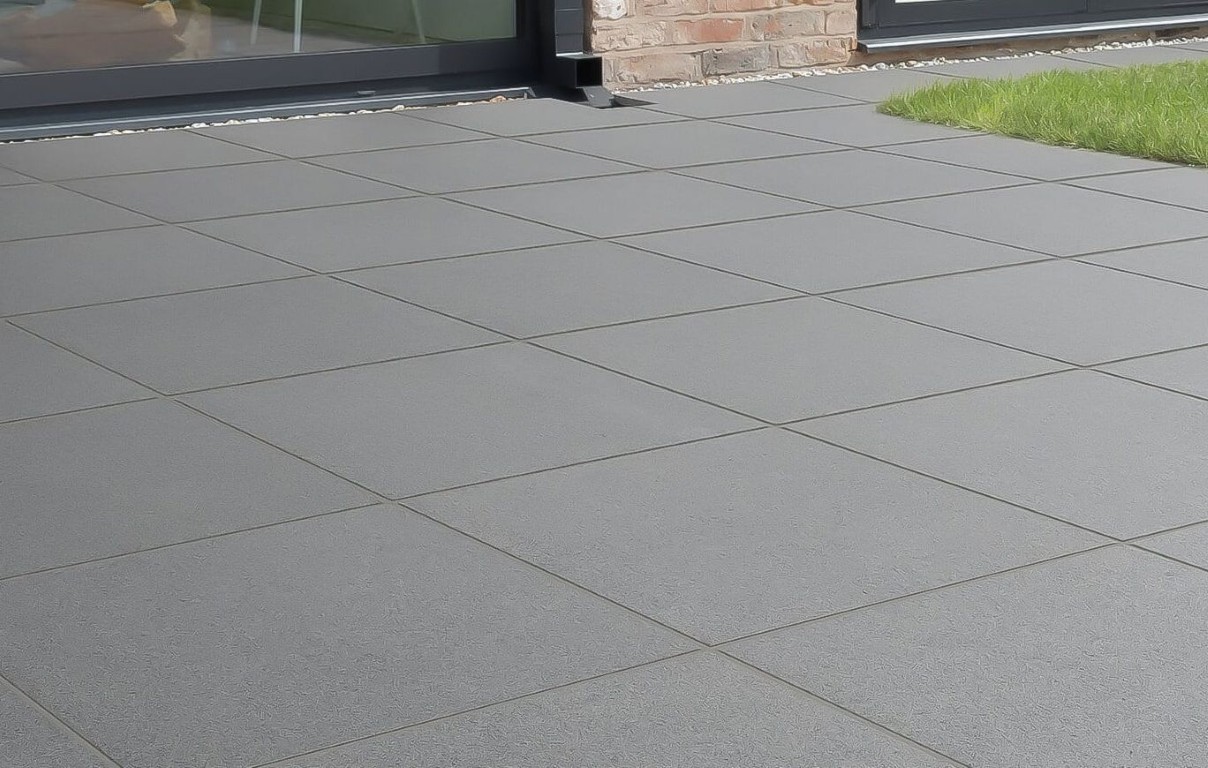
Concrete flatwork refers to any horizontal concrete surface. This includes sidewalks, walkways, front entryways, back porches, equipment pads, and more. All these elements require the same attention to proper installation. Base preparation, correct thickness, proper slope for drainage, and quality finishing determine how well flatwork performs over time.
Types of Walkways and Flatwork We Install
Every property has different needs for concrete flatwork. We handle all types of projects, from simple front sidewalks to elaborate pathway systems that wind through landscaping.
Common Flatwork Applications:
- •Front walkways: From sidewalk or driveway to your front door
- •Backyard pathways: Connecting patios, gardens, sheds, and other features
- •Public sidewalks: Along streets and property lines
- •Entrance landings: Steps and platforms at doors
- •Equipment pads: For AC units, generators, pool equipment, and trash bins
- •Accessible ramps: ADA-compliant slopes for wheelchairs and walkers
- •Concrete steps: Connecting different levels
Width matters for walkways. Front walkways to your main entrance should be at least 4 feet wide, preferably 5 feet. This allows two people to walk side by side comfortably. Side paths and backyard walkways can be narrower, typically 3 feet minimum. Service paths to equipment or trash areas can be even narrower if space is tight.
Design flexibility is a major advantage of concrete walkways. Straight paths work well for direct routes. Curved walkways add visual interest and can work around landscaping features. We can create wide sections for gathering spots or narrow pathways through gardens. Borders in contrasting colors or stamped patterns transform plain walkways into design features.
Planning Your Walkway System
Good walkway design starts with understanding traffic patterns. Where do people naturally walk on your property? You have probably seen desire paths, those worn tracks across lawns that show where people want to go. Smart walkway placement follows these natural routes rather than fighting them.
Think about connections. Your front walk obviously connects to the street or driveway. But consider paths from your driveway to the backyard, from the patio to a garden shed, or from a side door to a play area. Creating a complete pathway system makes your entire property more usable.
Accessibility matters too. If you have family members with mobility challenges or plan to age in place, consider accessibility now. Proper slope on ramps, adequate width for walkers or wheelchairs, and level transitions between surfaces all contribute to universal access. It is much easier to build accessibility features during initial installation than to retrofit them later.
Drainage must be planned into your walkway system. Paths should slope gently away from buildings to prevent water from flowing toward foundations. Low spots that collect water cause ice in winter and make walks unusable when wet. We grade walkways to ensure proper drainage while keeping slopes gentle enough for safe walking.
Installation Best Practices
Installing quality concrete walkways requires attention to detail. The process begins with layout. We mark the path location and discuss any adjustments needed to avoid tree roots, utility lines, or other obstacles. Proper layout ensures your walkway flows naturally and connects everything logically.
Excavation comes next. We dig to proper depth and remove sod, roots, and debris. The subgrade is leveled and compacted. A base layer of gravel provides stability and drainage. For walkways, 4 inches of base is typical unless soil conditions require more. Compacting the base prevents settling that causes cracking later.
Forms are set to create the walkway shape and establish proper slope. We typically slope walkways 1/4 inch per foot away from buildings. This gentle slope is barely noticeable but ensures water runs off effectively. For longer walks, we may incorporate a slight crown with both edges sloping away from the center.
Concrete thickness for walkways is usually 4 inches. This provides adequate strength for foot traffic. If your walkway will occasionally see vehicle traffic, like where it crosses a driveway, we increase thickness to 5 or 6 inches in that section. Reinforcement with wire mesh or fiber helps prevent cracking.
Finishing includes proper surface texture for traction. Broom finishes are most common because they provide good slip resistance in all weather. Smooth troweled finishes look more formal but can be slippery when wet. Control joints are cut every 4 to 6 feet to control where cracks occur. These joints divide long walkways into manageable sections that can move independently.
Making Walkways Look Great
Functional walkways are important, but there is no reason they cannot look great too. You have many options to upgrade plain concrete into attractive features.
Color transforms walkways. Integral color mixed into concrete creates consistent hue throughout. Popular colors include earth tones like tan, brown, and terra cotta that complement landscaping. Color hardeners applied to the surface create richer tones. You can also acid stain existing walkways for unique, variegated colors.
Borders and edging add visual definition. We can create borders using different colors, exposed aggregate, or contrasting textures. Decorative edges make walkways look finished and intentional rather than just basic paths.
Stamped concrete lets you create the look of brick, stone, or tile at much lower cost. Patterns range from formal to rustic. Stamping works beautifully for front walks where you want a premium appearance. We can also combine different finishes, using stamped concrete for main walkways and broom-finished concrete for service paths.
Common Questions About Walkways and Flatwork
Create Better Pathways
Quality walkways and flatwork make your property safer, more functional, and better looking. Let WBC Wilkes-Barre Concrete design and install the concrete pathways your property needs.